
The Roots of Cannabis Prohibition
Cannabis prohibition was rooted in the tyranny, evil, and greed of a young corrupt federal government. So, what’s their excuse

Modern skincare routines can sometimes feel like chemistry experiments. A little of this serum, a few drops of that essence, two different moisturizers, and maybe something new you saw trending online. We call this stacking: layering multiple products or actives together, often from different brands, in hopes of boosting results.
But in skincare, more is not always better. Stacking too many actives can create conflicts, irritate the skin, or disrupt the natural balance that each product was designed to maintain.
This article explores why ingredient stacking has become so common, how it can backfire, and how to practice intentional self-care that respects your skin’s needs.
The beauty world celebrates multi-step routines. Double cleanses, toning mists, serums, exfoliators, masks, and oils have become daily rituals. Many people believe that layering more products will deliver faster or better results.
Between influencer routines and marketing that promises instant transformation, it is easy to understand why people mix and match products. However, few consider how each formulation is designed or whether the ingredients are meant to interact.
Unlike single product lines created as a complete system, combining products from different brands can disrupt the delicate balance of pH, actives, and moisturizers, potentially leading to sensitivity or reduced effectiveness.
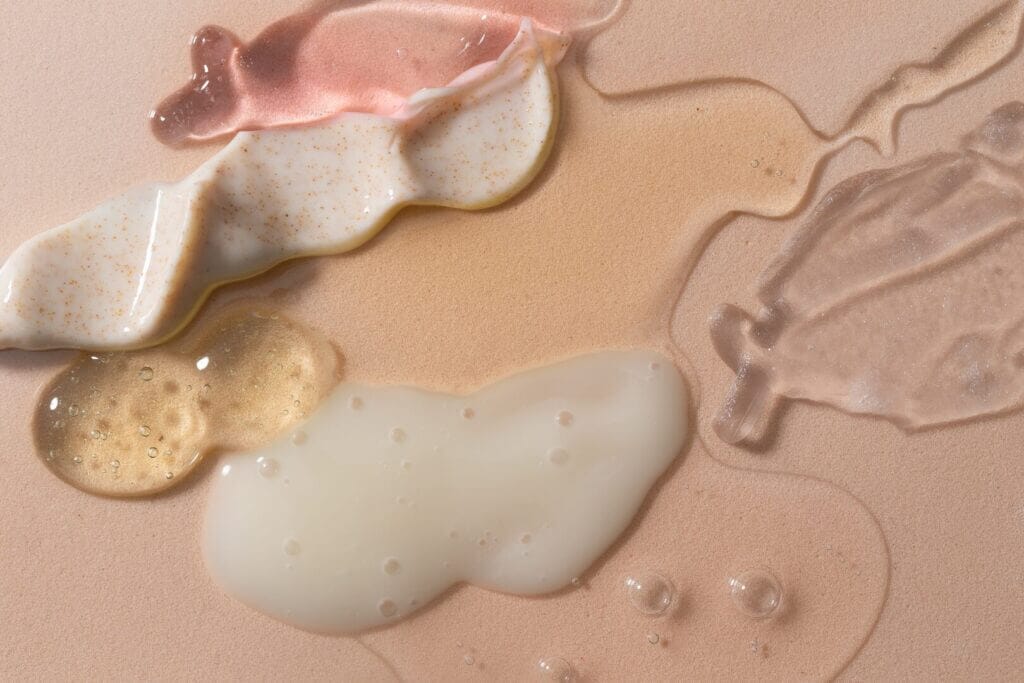
Each skincare ingredient has a personality. Its pH, concentration, and tolerance level dictate how it interacts with the skin. When multiple actives collide, irritation, dryness, or over-stimulation can occur.
Here are some common stacking examples and mindful approaches to consider.
The idea: Brighten and support skin renewal by combining two potent actives.
The issue: Vitamin C prefers a lower pH while retinol (or plant-based alternatives like bakuchiol) performs best at a higher one. Layering them can create sensitivity.
Better approach: Use Vitamin C in the morning and a gentle retinol alternative at night.
The idea: Smooth texture while supporting the skin barrier.
The issue: Fruit-derived acids like lactic acid or papaya enzymes are mild, but when combined with niacinamide in the same routine, they can reduce each other’s effectiveness or cause mild irritation.
Better approach: Use exfoliating acids a few nights per week and niacinamide on alternate nights, or wait at least 30 minutes between applications.
The idea: More exfoliation equals faster results.
The issue: Combining multiple natural acids, like lactic acid and fruit enzymes, can still over-stimulate the skin barrier. Overexfoliation can cause tightness, flaking, or sensitivity.
Better approach: Stick to one gentle exfoliating step and follow with soothing, hydrating ingredients such as aloe, green tea, or magnesium.
The idea: Boost hydration while using strong actives.
The truth: Hyaluronic acid draws water into the skin, which can cushion actives and reduce dryness. If applied to over-exfoliated or irritated skin, it can pull moisture from within, making the skin feel tight.
Better approach: Apply hyaluronic acid to damp skin, then seal it with a moisturizer or oil to lock in hydration.
The idea: Maximize brightness and glow.
The issue: Both are mildly acidic. When stacked in one routine, they can increase sensitivity.
Better approach: Alternate morning and evening use, or select a carefully formulated product that combines these actives safely.

Every skincare formula is a carefully balanced ecosystem. The pH, emulsifiers, stabilizers, and active concentrations are designed to work together. When products are mixed without considering formulation, the delicate balance is lost.
At Potency No. 710, each product is crafted to be effective on its own and harmonious when layered with others in our collection. There is no guesswork, no clashing, and no stress for your skin. Our philosophy combines science, plant-based ingredients, and intention to support healthy skin without compromise.
Your skin communicates through how it looks and feels. Tightness, dryness, flaking, or redness may be signs that your routine is too aggressive. Sometimes, the solution is not adding more products but simplifying and supporting your skin’s natural barrier.
Hydration, soothing ingredients, and consistent protection are key to helping your skin thrive.
Intentional layering allows you to enjoy your skincare ritual without overwhelming the skin:
At Potency No. 710, we avoid harsh synthetics and overused chemical actives. Instead, we focus on plant-powered alternatives, gentle acids, and supportive ingredients that work together. This ensures that every layer in your routine is intentional, effective, and kind to your skin.
True skin wellness is not about the number of steps but how each one supports your skin. When we simplify and listen to what the skin needs, skincare becomes less about stacking and more about synergy.
Your skin does not need more products. It needs better products formulated with purpose, balance, and integrity.
Potency No. 710 believes in the power of intentional skincare. Every ingredient, every layer, and every ritual is designed to support your glow from the inside out.
Cannabis prohibition was rooted in the tyranny, evil, and greed of a young corrupt federal government. So, what’s their excuse

Potency No. 710 embraces nature and self-care, combining the two into an easy-to-adopt regimen. The exquisite line of products offered

Your skin is not just a beautiful surface. It’s your largest and most amazing organ, a living barrier that defends

Today’s market is saturated with beauty products. It seems there are several products for every part of our face and

Dry, itchy, red skin isn’t something desired by most. However, it is something that almost everyone will experience at least

For decades, we’ve trusted over-the-counter (OTC) products to provide quick relief from everything from pain and inflammation to dry skin


